introduction: in long-term penetration testing projects, reasonable management of the ip and resource pool of us vps is not only related to testing efficiency, but also affects compliance and security. this article focuses on the key points of management process, automation, monitoring and compliance to help security teams stably operate and maintain test infrastructure within the scope of authorization.
first, the scope of testing and written authorization must be clarified to ensure that all u.s. vps and ip use are within the scope of customers, suppliers, and local laws. long-term projects should include a regular review process to ensure that permissions are updated over time and to avoid over-the-top testing or unauthorized outreach.
establish a detailed asset list and stratify the ip pool according to purpose (testing, attack surface detection, detection verification) and risk level. tests with high production similarity need to be strictly isolated and managed using independent network segments and tags to reduce potential impact on third parties or non-target systems.
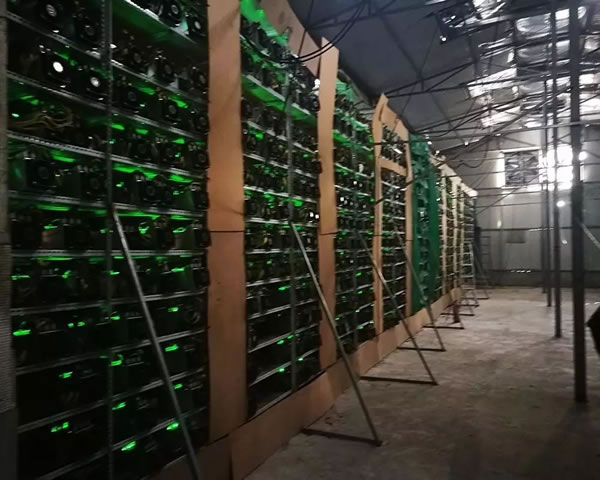
use infrastructure as code (iac) and configuration management tools to achieve repeatable and auditable deployment of us vps. the automated process should record the history of changes and support quick rollback to facilitate batch expansion, shrinkage and version management in long-term projects.
collect and retain centralized logs of all test traffic, certification activities, and system events, and set abnormal alarms and rate thresholds to avoid affecting external services due to test traffic. audit logs provide key evidence for post-mortem review and compliance verification.
implement the principle of least privilege, mfa and session auditing for vps and management consoles. use springboard hosts with temporary credentials and disallow long-term backdoors or persistent credentials. implement a change approval and double review mechanism for administrator operations.
prioritize testing that is high risk or prone to side effects in a dedicated isolation environment. develop an automated recycling strategy to immediately destroy temporary instances and clear stored data after testing to reduce compliance risks from long-term exposure and uncleaned resources.
long-term projects need to continuously monitor costs and resource utilization, use on-demand or reserved instance strategies and cooperate with automated scaling to avoid the backlog of idle ip and vps. regularly review resource tags and billing to ensure resources match the test plan.
maintain clear test reports and change records, including ip usage lists, time windows and authorization files. conduct regular audits and reviews, incorporate experiences and scripts into the knowledge base, and improve the team's long-term maintainability and compliance.
select cloud and vps providers that meet compliance requirements and review their acceptable use policies and log retention capabilities. maintain communication with legal and compliance teams and customers, clearly inform third parties of possible traffic characteristics and testing windows, and reduce false positives and disputes.
summary and suggestions: the core of managing the ip and resource pool of us vps is compliance authorization, hierarchical isolation, automated governance and auditability. long-term penetration testing should embed security and compliance into the life cycle and establish clear approval, monitoring and recovery mechanisms to ensure testing efficiency while reducing legal and operational risks.
- Latest articles
- Optimized Storage Costs For Hong Kong Hosted Servers, Hard Disk Servers, Layered Storage, And Cold Archiving Solutions
- Are Tencent Cloud Korean Servers Native? Recommendations For Local Service Provider Integration And Latency Optimization
- The Enterprise Migration Guide Teaches You How To Apply For US Dual-line Server Hosting To Ensure Compliance
- How Does AWS Cloud Server In Japan Charge? Bill Analysis And Fee Alert Settings
- Beginner's Guide: Which Hong Kong Site Cluster Servers Are Best To Use? Choose Based On Your Business Scale
- A Detailed Explanation Of US High-defense Servers Involves Latency, Bandwidth, Cleaning Capability, And SLA Comparison
- A Summary Of Common Questions About Hong Kong VPS Access In The US And A Guide To Optimal Connection Configurations
- Korean CN2 Network Cloud Service Product Selection Guide Performance, Security, And Scalability Evaluation
- Developer Manual: Best Practices For Network And Security In Configuring Linode Japanese Native IP
- Where Can I Buy A Vietnam Cloud Server? Hands-on Tutorial From Registration To Activation
- Popular tags
-

Overseas Warehouses Cooperate With Us Amazon Vps To Improve The Efficiency Of Listing And Synchronization. Practical Suggestions
this article provides practical suggestions for synchronizing shelves and inventory from the perspective of overseas warehouses and us amazon vps, covering network environment, interface configuration, data docking and process optimization, to help cross-border sellers improve operational efficiency. -

Comprehensive Analysis Of The Advantages And Disadvantages Of American Cloud Servers
comprehensive analysis of the advantages and disadvantages of us cloud servers to help you make a wise choice. -
Where To Buy VPS In The United States To Get The Best Cost-effectiveness
Learn how to choose a US VPS for the best value for money. This article will provide key factors to consider when purchasing VPS and recommended platforms.